I started running about a year ago. I had always hated the idea of it. I started anyway because I needed some exercise and running was the only thing I could practically fit in. No gym, no kit faff, no booking anything. Put shoes on, leave house.
For the first six months I did it badly. Every run was as fast as I could, chasing PBs on Strava. I felt sick at the end of every run and kept picking up niggling injuries. The times improved for a while, then stopped. That wall was what made me actually do some reading. This is basically everything I wish I knew when I started.
Kit / Start up costs
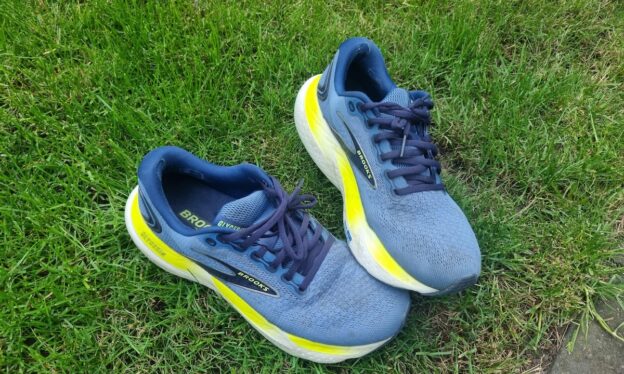
Get fitted for proper running shoes. Runners Need do a free fitting, they put you on a treadmill, look at your gait, and recommend shoes that suit how you actually run. A decent pair is around £80-90. This is the single most important thing you can do to avoid injuries before you have even started. Skip the carbon-plated stuff, it is not for you yet, probably not ever.
Get a watch that tracks heart rate. You will need it for the next bit. A second-hand Garmin Forerunner 55 on eBay is about £80 and does everything you need. If you already have a smartwatch that tracks heart rate, that is fine.
That’s all you need (assuming you have shorts and a t-shirt).
Run slowly. Much more slowly than you think.
ALL of your running should be in “zone 2”, which means a heart rate low enough that you could hold a conversation. It feels absurdly slow at first. People will overtake you walking briskly. You will feel like you are not really exercising.
This is the point. Slow running is low impact, builds aerobic fitness, and does not break you. Once I started running almost entirely in zone 2, the injuries stopped and I got fitter rather than more battered and could run more often. Zone 2 is hard to judge by feel when you start out, which is why the watch matters, you will go too fast without realising.
Set up a “slow run” workout on your watch that alerts you when you go above zone 2, and stick to it. The watch will work out your zone 2 from your age, you do not need to calculate anything. Start at 10-15 minutes and add time gradually, building up to 30 mins. Try and get out 2-3 times a week. There is no need to do anything more than this for at least the first six months.
Technique
Technique is important to avoid injuries.
Hips forward, shoulders back, arms held up roughly like you are holding drumsticks. Lean forward slightly. Light, bouncy steps, landing on the ball of your foot or flat, not on your heel. Keep strides short. If you want to go faster, take more steps rather than longer ones. Try to land evenly on both sides.
Pay attention to your form. It will improve with practice. If your form starts falling apart, slow down or walk. Running with broken technique is how you get injured.
Strength
Strength training is important, but at least for now, you do not need a gym programme. Lunges are the best thing you can do for the time invested, they strengthen the muscles around the knee and hip which is where most running injuries come from. They also fit naturally onto the end of a run. I do sixty lunges as a warm-down at the end of each run, three sets of ten on each side.
Why this works
The whole point is to keep running, get fitter, and enjoy it. Every recommendation here is really about not getting injured, because if you avoid injuries you run more often, and if you run more often you get fitter. You will naturally get faster over time without trying to. If you push for speed early you will get hurt and stop. It will take time though, there is no shortcut.
A year of going slowly has done more for my fitness than the six months of going hard ever did. I can now run 10k literally without breaking a sweat.
I am now, regrettably, a running bore.
A few more things
Not essential, but bits and pieces I’ve picked up along the way. I will add to this as I remember more:
- Ignore anyone telling you to buy more stuff You’ll get advice about socks, hydration, compression gear, gels, all sorts. None of it is needed for what is described above. Maybe later, not now. The only other things I’ve bought are gloves & a headband for chilly winter days.
- Coming back from a break, DO NOT start where you left off If you have to take time off for any reason, do not pick up at the distance or pace you were running before. Go back to shorter, slower runs and build up again. This is how injuries happen.
- Wear the watch above your wrist bone Heart rate readings are much more accurate if the watch sits an inch or two above the wrist bone rather than right on it.
- Mental health The unexpected benefit. My anxiety is noticeably lower and I sleep better on the days I run. Massive added bonus to also improving overall fitness
- What about after six months? Depends on your goals. If it was to get fitter, congratulations! 2-3 runs a week for six months puts you ahead of most of the population. It’s worth noting that regardless of your goals, elite endurance athletes spend ~70-80% of their training time in zone 2. If you want to go longer or faster, there’s plenty of advice out there, I’m not the person to give it. Worth doing your research though, that’s the main thing I have learned.